
Non-Traditional Families Face Challenges Estate Plans Were Not Designed For
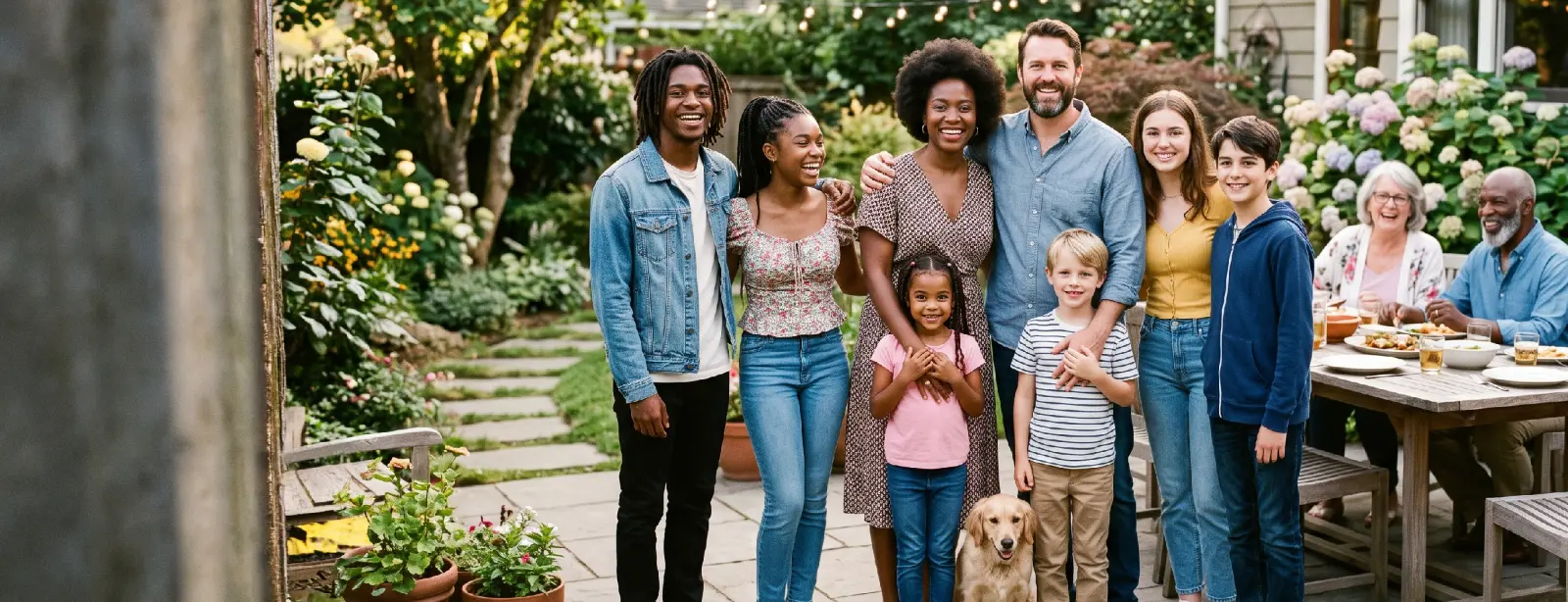
Blended families, grandparents raising grandchildren, and LGBTQ+ partners are now more common than traditional single-marriage households, but many estate planning documents still assume a simpler structure.
A traditional estate plan might assume assets pass from one spouse to another, and then to children. In a blended family, the reality is more complex. There may be children from multiple relationships, a current spouse with their own children, and shared financial responsibilities across households.
For example, a surviving spouse may inherit more control over assets than the children of a prior relationship. In other situations, children may inherit directly, but without protections that ensure those assets are preserved or distributed over time as intended.
These outcomes are not caused by a lack of care. They usually happen because older estate plans were created before the family structure changed and were never updated to reflect it.
Blended families also face emotional complexity that traditional estate planning does not account for. Questions about fairness, timing, and control often matter just as much as the legal structure itself.
This is why blended families benefit from more intentional planning. The goal is not just to distribute assets, but to make sure the plan reflects your wishes and reduces the likelihood of conflict later.

Your Family Might Look Like…
There’s no single definition of family. Yours might include a spouse, a partner, children from different relationships, stepchildren, adult children, or people who simply don’t fit neatly into the boxes on a standard form. Your estate plan should reflect the family you actually have.
- Blended families with children and stepchildren
- Divorced or remarried families navigating a new chapter
- Unmarried couples who want to protect each other
- Same-sex and LGBTQ+ couples and families
- Couples without children who want to decide where their assets go
- Parents with children from different relationships
- Families with complicated or estranged relationships
- Parents of adult children whose family circumstances have changed
- People whose lives have changed since their last estate plan
- Anyone whose family doesn’t fit neatly into a standard form
A Plan Built Around The Family You’ve Built Estate Planning Services for Real-Life Families

Wills & Trusts
Protect your assets and put your wishes in writing.
Powers of Attorney
Choose who can act for you when you can’t.

Probate & Estate Administration
Navigate the legal process after someone dies.

Beneficiary Planning
Make sure beneficiary designations align with your overall plan.
Estate Plan Reviews & Updates
Keep your documents current as your life changes.

Blended & Modern Family Planning
Address the unique needs of divorced, remarried, child-free, unmarried, and blended families.
Does Any Of This Sound Familiar?
- You divorced years ago and have not looked at your estate plan since.
- You remarried and have children from a previous relationship.
- You have beneficiary designations you have not reviewed in years.
- You are unsure who currently has authority to make medical or financial decisions for you.
- Your family structure is more complicated than a traditional estate planning template assumes.
If any of these situations apply to you, it may be worth taking a closer look at your current documents.
Messy Families Need More Than A Standard Form
Most people do not avoid estate planning because they do not care. They avoid it because it feels complicated, morbid, or too emotional, so it’s easy to push off until later.
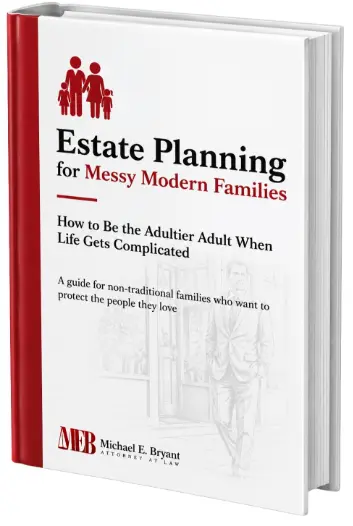
To bring some clarity and control to this topic, I put together a guide that walks you through the challenging issues for non-traditional families like yours.
It is designed to answer the questions people usually have but do not always know how to ask.
- What actually happens if I don’t update my estate planning after divorce?
- Who is legally in control if something happens unexpectedly?
- How are my children from different relationships treated under default rules?
- Does my ex-spouse still have access to assets or decision making?
- What needs to be in place to make sure my intentions are followed through on?
Most importantly, it’s to help you prepare for the unexpected. Because the goal is not to make this feel heavier than it already does. It is to make it clear.
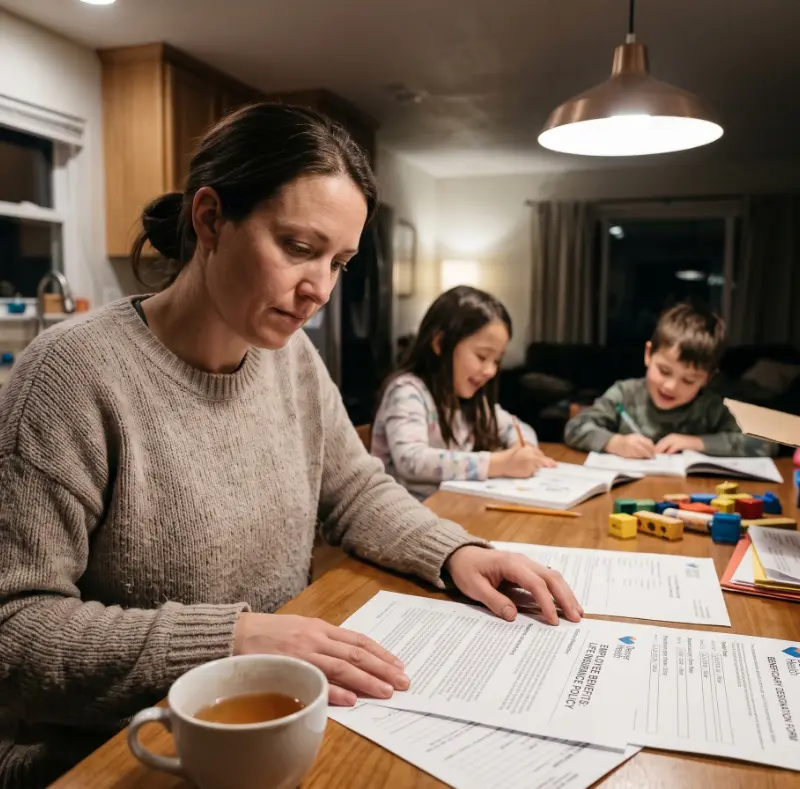
Estate Planning Is Not a One-Time Task
A marriage, divorce, or major financial change can quickly make an existing plan outdated.
Your family could face serious challenges if something bad happens to you and your estate plan doesn’t reflect your current circumstances.
Children from different relationships may be unintentionally left out. Family members may assume they have decision-making authority, only to discover the legal documents say otherwise. Assets can end up being distributed in ways you never wanted, simply because your paperwork was never updated to match your life.
An estate plan is meant to evolve. Without regular updates, even a well-intentioned plan can create confusion, conflict, and unintended consequences.
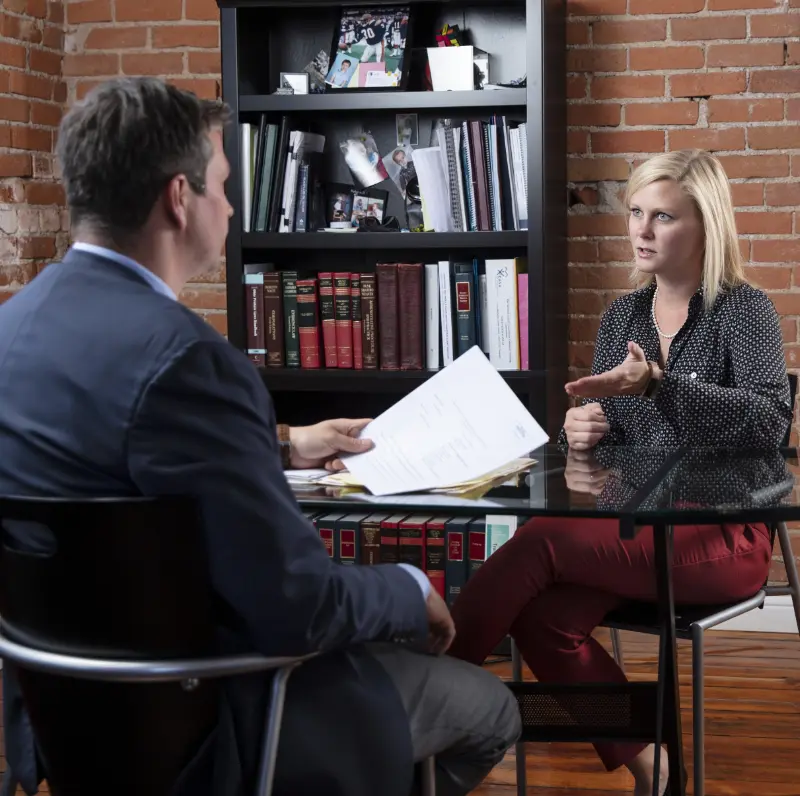
I’ve Seen What Happens When Life Changes, But Your Documents Don’t.
I have been practicing family law since 2009 in Toledo, Ohio. A large part of my work has involved helping people navigate divorce, custody, and the legal realities that come with changing family circumstances.
Over time, I started seeing the same issue come up again and again outside of court.
People assumed their life changes were automatically reflected in their legal documents. In reality, that is rarely the case.
So my work naturally expanded into helping people make sure those gaps are addressed before they turn into problems.
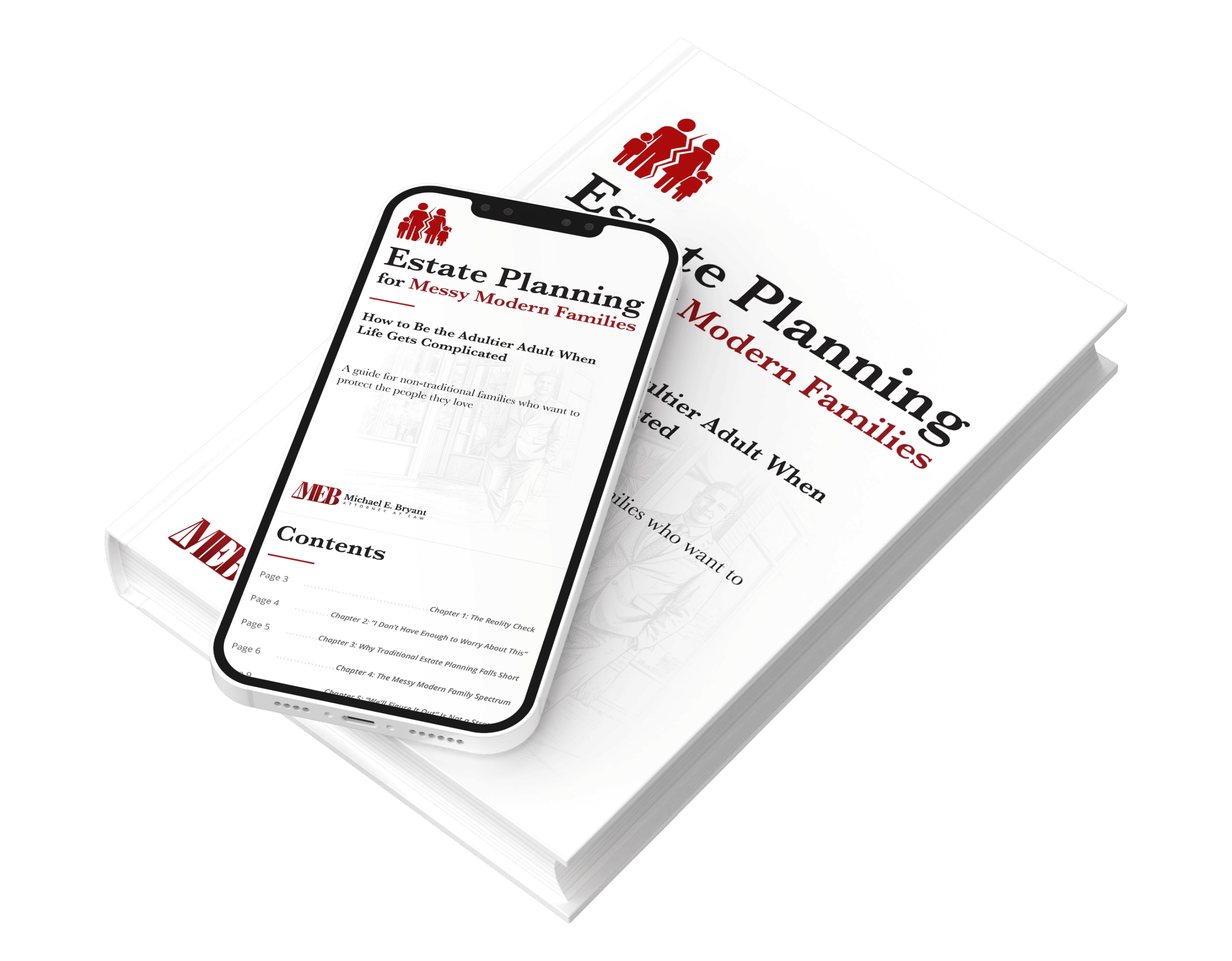
Get The Estate Planning For Messy Modern Families
If your family situation has changed, you have never updated your estate plan, or you’re in a non-traditional family unit and are unsure what your options are, this guide is a good place to start.
It takes about 20 minutes to read. No legal background needed. No pressure to act on anything immediately.
Just a clearer understanding of how things actually work for real families like yours.